Guests·5 min read·
Seating Plans: A Practical Guide to Getting It Right
Table shapes, difficult relatives, and the small choices that make a reception feel warm rather than awkward.
ER
Emma Richardson
Wedding Planning Expert
Nobody Notices a Good Seating Plan
Which is exactly the point. A good plan is invisible; a bad one is the thing guests remember.
Wait for Final Numbers
Don't start seriously until RSVPs are in. Building a plan around guesses means rebuilding it three times.
Choose Your Table Shape First
- Round tables encourage conversation across the whole table, usually 8 to 10 guests
- Long banquet tables look striking and suit smaller weddings, but guests only talk to neighbours
- A mix works well: long top table, rounds for everyone else
Seat by Connection, Not Category
Resist the urge to put "all the work friends" together. Seat each table around one or two confident, sociable people who can carry conversation, then build outwards.
Handling Difficult Relationships
- Distance is kinder than separation; different tables in the same area rarely causes offence
- Avoid direct sightlines between people in conflict
- Never seat someone alone among strangers to solve a problem
Practical Details
- Place elderly guests away from speakers and near exits
- Keep young families close to the door
- Give guests with dietary needs clear place cards so staff can serve confidently
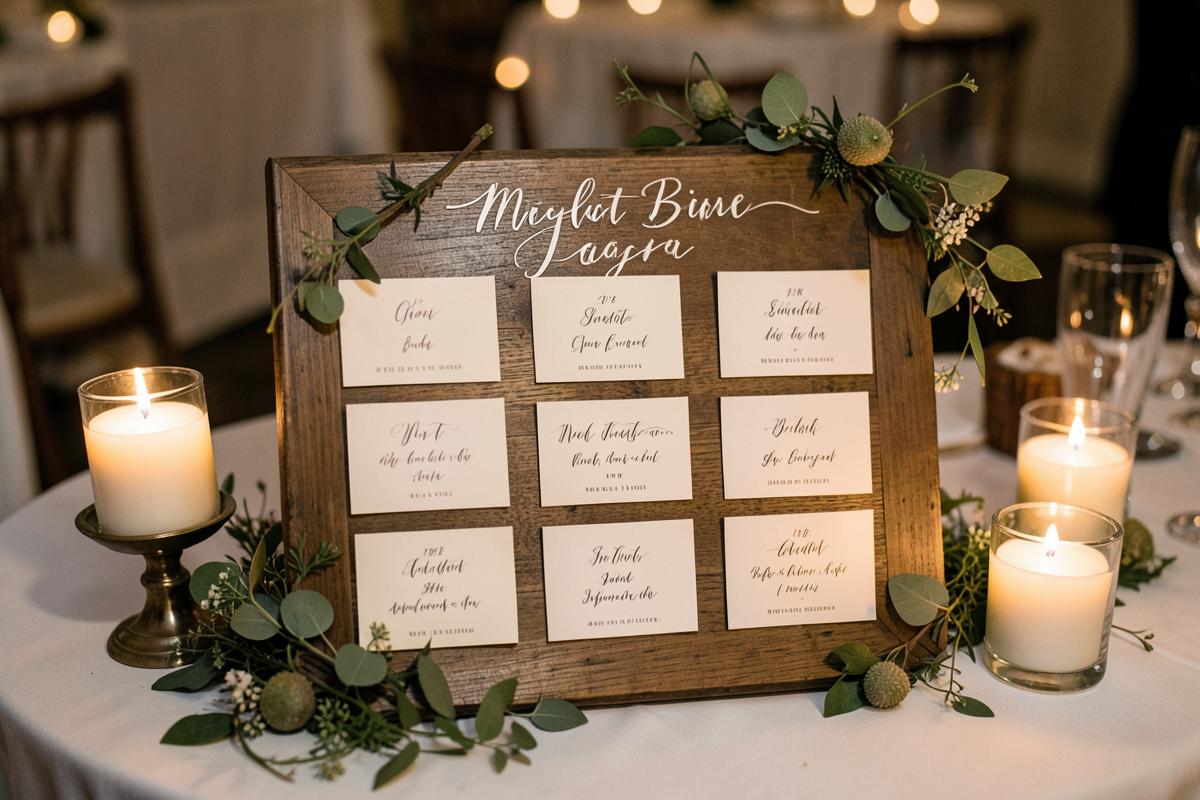
- Print a clean, readable plan and place it where guests naturally arrive
Expect Last-Minute Changes
Someone always drops out in the final week. Build your plan somewhere you can edit it in seconds rather than on paper.
ER
Written by
Emma Richardson
Wedding Planning Expert at Vowy, writing practical guidance for couples, planners and suppliers.